

That chipped tooth isn’t getting better on its own. Most people make critical mistakes in those first 24 hours that turn a simple fix into extensive dental work — like using nail files or superglue (yes, people actually do this).
You’re probably googling remedies right now, wondering if you need veneers, a crown, or if that DIY filing trick actually works. Here’s the truth: what you do today determines whether you’re looking at a quick repair or a complete reconstruction.
What we’re covering:
- Why composite veneers vs porcelain veneers matter for chipped teeth (and real costs)
- The difference between dental caps versus veneers, which actually fixes chips
- Same-day solutions that skip the temporary crown hassle
- Critical mistakes that make chips worse (one’s probably in your bathroom)
At Sunny Isles Dental, Dr. George fixes chipped teeth daily using CEREC technology — meaning you walk out with a permanent solution the same day. No temporaries, no second visits. Just your tooth, fixed right.
Chipped Tooth Explained
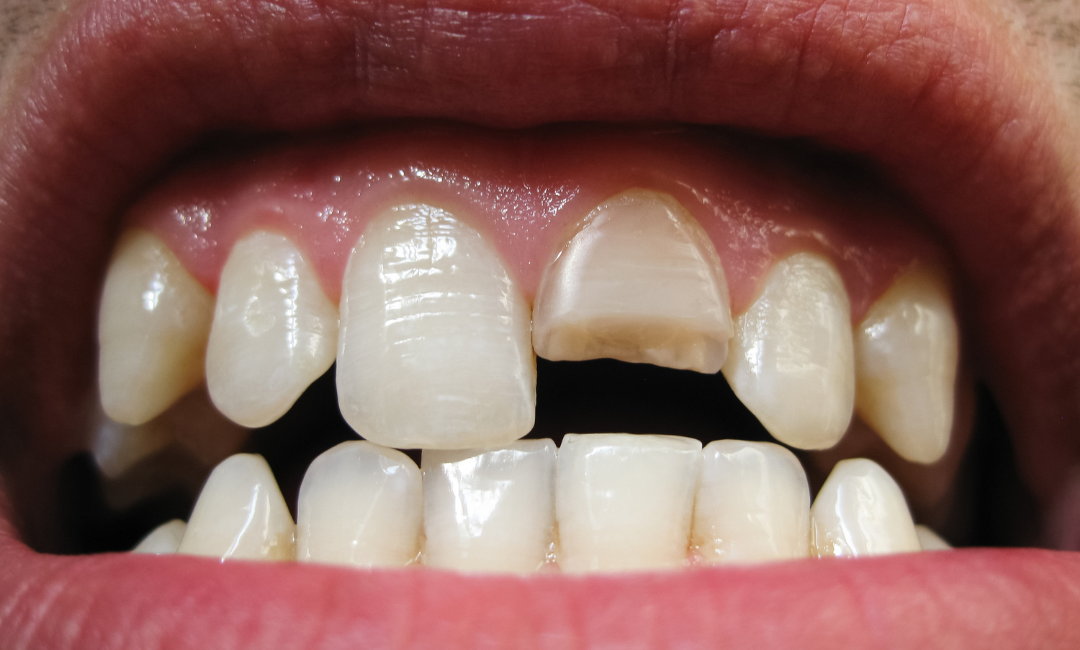
A chipped tooth happens when enamel — your tooth’s protective outer layer — breaks off. Could be from biting ice, catching an elbow during basketball, or that popcorn kernel that fought back. The chip exposes dentin underneath, which connects directly to your tooth’s nerve center.
Here’s what you’re dealing with:
- Minor chips: Just enamel damage, usually painless
- Moderate chips: Dentin exposed, temperature sensitivity kicks in
- Severe chips: Near or into the pulp, constant pain
The size matters less than the location. A tiny chip near your gum line can cause more problems than a larger chip on your tooth’s edge. Why? Bacteria love those hard-to-clean spots.
Your tooth won’t regenerate that missing piece. Unlike bones, enamel doesn’t grow back. Those “remineralizing” toothpastes? They strengthen existing enamel — they can’t rebuild what’s gone.
The real concern: Exposed dentin acts like a highway for bacteria straight to your tooth’s core. What starts as a cosmetic issue becomes root canal territory fast. That’s why dentists push for quick repairs — we’re racing against bacteria, not just fixing appearances.
Why Composite Veneers vs Porcelain Veneers Matter for Cracked Tooth

When your front tooth catches that coffee mug edge, you’ve got a decision: patch it with composite resin or go full porcelain veneer. The cost of veneers varies widely, with porcelain veneers ranging from $925 to $2,500 per tooth, and composite resin veneers ranging from $250 to $1,500 per tooth.
Here’s the reality check on each:
Composite veneers work like sophisticated dental putty. Your dentist sculpts tooth-colored resin directly onto your chipped tooth, hardens it with ultraviolet light, then shapes it to match. The entire process takes about an hour. You’re looking at $250-$1,500 per tooth, but there’s a catch — they last just 5-7 years before yellowing or chipping again.
Porcelain veneers? Different beast entirely. These custom shells require removing a thin layer of enamel (about 0.5mm), taking impressions, and waiting for a dental laboratory to craft your new tooth surface. Porcelain veneers can cost $1,000 to $4,000 per tooth, depending on where you live. The payoff: they resist stains better than your natural teeth and last 10-20 years.
The chip-specific verdict: Minor chips on front teeth often need just composite bonding — not full veneers. But if you’ve got multiple chips or want that Hollywood-perfect smile, porcelain covers more ground. At Sunny Isles Dental, Dr. George uses CEREC technology to create either option in a single visit. No temporary veneers, no two-week wait with a jagged edge showing.
The Difference Between Dental Caps Versus Veneers
Most people think dental crowns and veneers do the same job. They don’t. A crown wraps your entire tooth like armor. A veneer? Just a shield for the front.
The cost of a dental crown depends on the type of material used. The average cost ranges from $800 to $2,500. Compare that to veneers, and you might think crowns cost less. But here’s what actually matters for your chipped tooth:
Crowns make sense when:
- More than 50% of your tooth structure is gone
- You’ve had a root canal on that tooth
- The chip extends to your tooth’s biting surface
- You grind your teeth at night (that protective mouth guard isn’t optional)
Veneers work better when:
- The chip affects only the front surface
- Your tooth’s still structurally sound
- You want to fix color and minor alignment issues simultaneously
- Preserving natural tooth matter (veneers need less drilling)
The prep work tells the whole story. Crowns require removing 1.5-2mm of tooth structure all around — that’s a serious commitment. Veneers? Just 0.5mm off the front. Once you crown a tooth, you’re crowned for life. Every 10-15 years, you’ll need a replacement.
At Sunny Isles Dental, we see patients driving from Aventura and Hollywood because our CEREC system eliminates the worst part of getting crowns: wearing a temporary crown for weeks while avoiding hard foods and hoping it doesn’t pop off during dinner.
Same-Day Solutions That Skip the Temporary Crown Hassle
That temporary crown your friend complained about? The one that fell off while eating soft foods? You can skip that whole nightmare.
Traditional crown or veneer placement means two visits minimum. First appointment: drilling, impressions with that gag-inducing goop, then a temporary dental filling material or crown that feels wrong in your mouth. Two weeks later, if your permanent one fits (big if), they cement it in place.
CEREC changes the game completely. Dr. George scans your chipped tooth with a 3D camera — no impressions. The software designs your restoration while you scroll your phone. Then a milling machine carves your crown or veneer from a solid ceramic block right there in the dentist’s office.
The timeline breakdown:
- 9:00 AM: Numbing and tooth prep
- 9:30 AM: Digital scanning
- 10:00 AM: Design approval (you see it on screen)
- 10:30 AM: Milling begins
- 11:00 AM: Fitting and adjustments
- 11:30 AM: Final bonding with adhesive material
- Noon: You’re eating lunch with your permanent restoration
The material? Same high-grade porcelain and resin crowns that labs use. The difference: no shipping time, no second appointment, no living with a fragile temporary that makes you paranoid about every bite.
Plus, when your dentist designs and places everything in one session, they can make real-time adjustments. Bite feels off? Fixed immediately. Color slightly wrong? Adjusted on the spot.
Critical Mistakes That Make Chips Worse
The bathroom cabinet disasters we see weekly:
Using a nail file to “smooth” the jagged edge ranks as mistake number one. You’re grinding away enamel that doesn’t regenerate, creating microscopic scratches where bacteria set up shop. That slightly chipped tooth becomes a cavity magnet.
Super glue? We’ve extracted teeth because someone tried this. The chemicals burn soft tissue, the bond never holds properly, and now you’ve added toxic adhesive to your dental emergency. One patient came in with three teeth glued together — we had to section them apart surgically.
- The “wait and see” approach backfires fast. Exposed dentin (the layer under enamel) absorbs everything — coffee, wine, stomach acid from acid reflux. Within weeks, that minor chip darkens permanently. Sugar-free gum won’t fix this. Neither will avoiding acidic foods.
- DIY dental wax seems harmless, right? Wrong application traps bacteria against the exposed tooth structure. We’ve seen abscesses form under week-old wax patches. If you must use it temporarily (like, hours, not days), clean the tooth thoroughly first and replace the wax after every meal.
- The grinding truth: You know you clench at night, but that mouth guard sits in its case. Every night without protection, micro-fractures spread through your chipped tooth like cracks in a windshield. Eventually, the whole tooth breaks — usually while you’re eating something innocent like a sandwich.
Contact sports without protection? That’s asking for your dental crown to meet someone’s elbow. Custom guards from Sunny Isles Dental fit better than store-bought versions and actually stay in during games.
Here’s what actually works temporarily: Rinse with salt water. Avoid temperature extremes. Keep the area clean. Schedule that dentist appointment immediately — not next month when it’s convenient. Every day you wait, bacteria penetrate deeper, and your one-visit fix becomes a root canal situation.
Fix Your Chipped Tooth Today at Sunny Isles Dental
Your broken tooth won’t heal itself. Whether it’s small chips or a cracked tooth exposing tooth enamel, acting fast prevents tooth decay and further damage. The right dental treatment saves your original tooth before bacteria turn a simple repair into major work.
Key takeaways:
- Composite resin material costs $250-$1,500 for minor tooth chipping
- Porcelain beats composite for broken teeth (lasts 10-20 years)
- All metal crowns work best when tooth missing over 50% structure
- Same-day CEREC eliminates jagged edges immediately
- Hard candy and contact sport injuries need urgent care
- Save any tooth fragments for your dentist immediately
Stop living on soft foods and protecting chipped teeth from further injury. At Sunny Isles Dental, Dr. George’s CEREC technology means one veneer or crown in one visit. While other dentist’s offices make you avoid chewing for weeks with temporaries, you’ll leave with permanent bonding material securing your restoration — ready to eat normally tonight.
FAQs
Is it okay to leave a broken or chipped tooth untreated?
No. Even small chips expose inner layers to bacteria, leading to tooth decay and infection. Risk factors like fruit juices and spicy foods accelerate damage to your oral health.
How expensive is it to repair a chipped tooth?
Simple bonding starts around $200-$400. Full restorations for cracked teeth range from $800-$2,500, depending on whether you need composite or porcelain.
What do I do if my chipped or broken teeth hurt?
Rinse with salt water, eat soft foods only, avoid biting on that side, and see a dentist immediately. Save any tooth fragment in milk.
How to tell if a chipped or broken tooth is serious?
Exposed yellow dentin, pain, sensitivity, or large fillings falling out signal serious damage. Any broken teeth near existing dental work in other teeth need immediate attention.
How long should you go with chipped teeth?
See your dentist within 24 hours. Every day increases the risk of infection and turns a simple fix into a complex dental treatment.
Can I fix a chipped tooth permanently?
Yes. Modern bonding material, veneers, or crowns restore both function and appearance. The sooner you treat it, the more of your original tooth structure remains.


